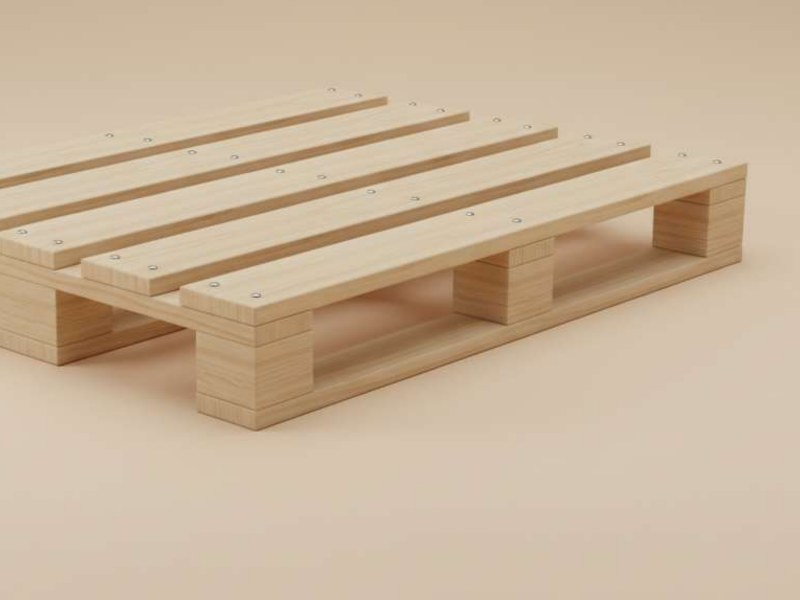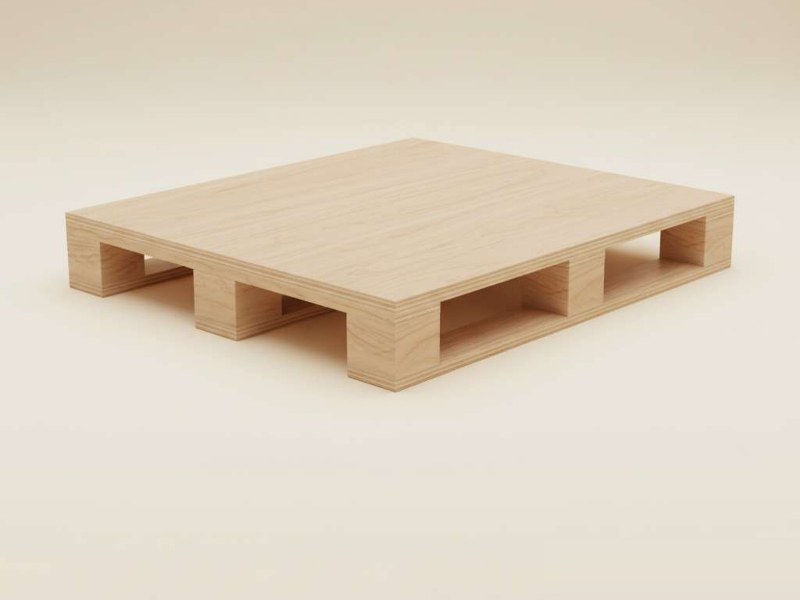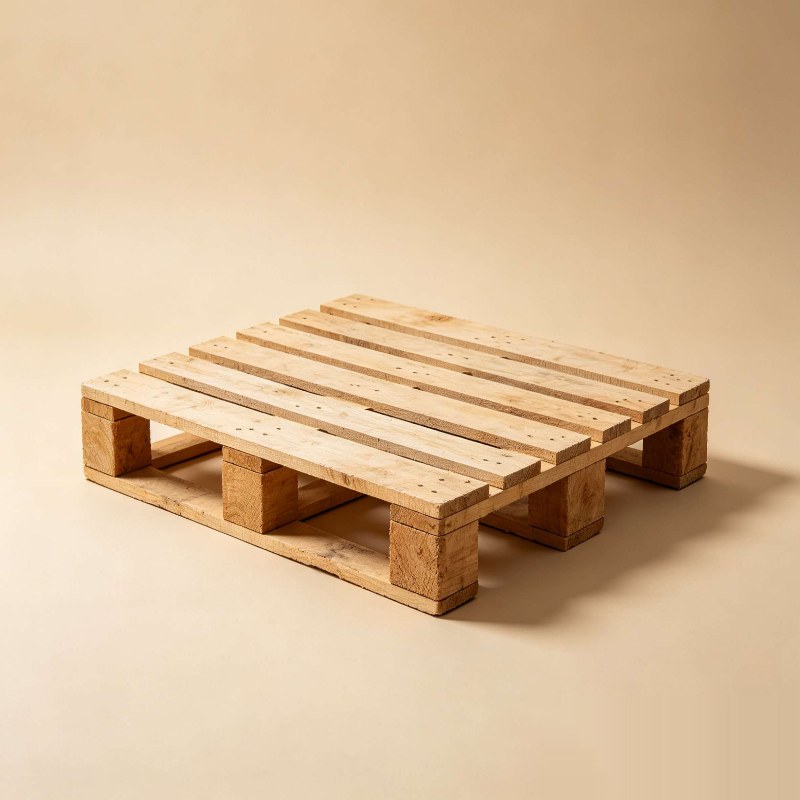
A wooden pallet that costs a few ringgit to buy can pay back many times that if it lasts five trips instead of one. None of the practices below are exotic — most cost nothing — but they're the difference between pallets that wear out and pallets that get retired with dignity.
A wooden pallet that costs you a few ringgit to buy and a few hundred ringgit to load can pay back many times that if it lasts five trips instead of one. None of the practices below are exotic — most cost nothing — but they're the difference between pallets that wear out and pallets that get retired with dignity.
Wood Has Three Enemies
Moisture, sunlight, and overloading. Manage those three and a wooden pallet will outlast its expected life. Ignore them and a brand-new pallet can be unusable after one bad trip.
Storage
Indoor over outdoor, always
Even a roof and a concrete pad is much better than open-air. Direct sun dries out wood and creates surface cracking. Direct rain swells and warps it. If outdoor storage is unavoidable, at least cover the stack with a tarp and keep the bottom layer off the wet ground on dunnage or another sacrificial pallet.
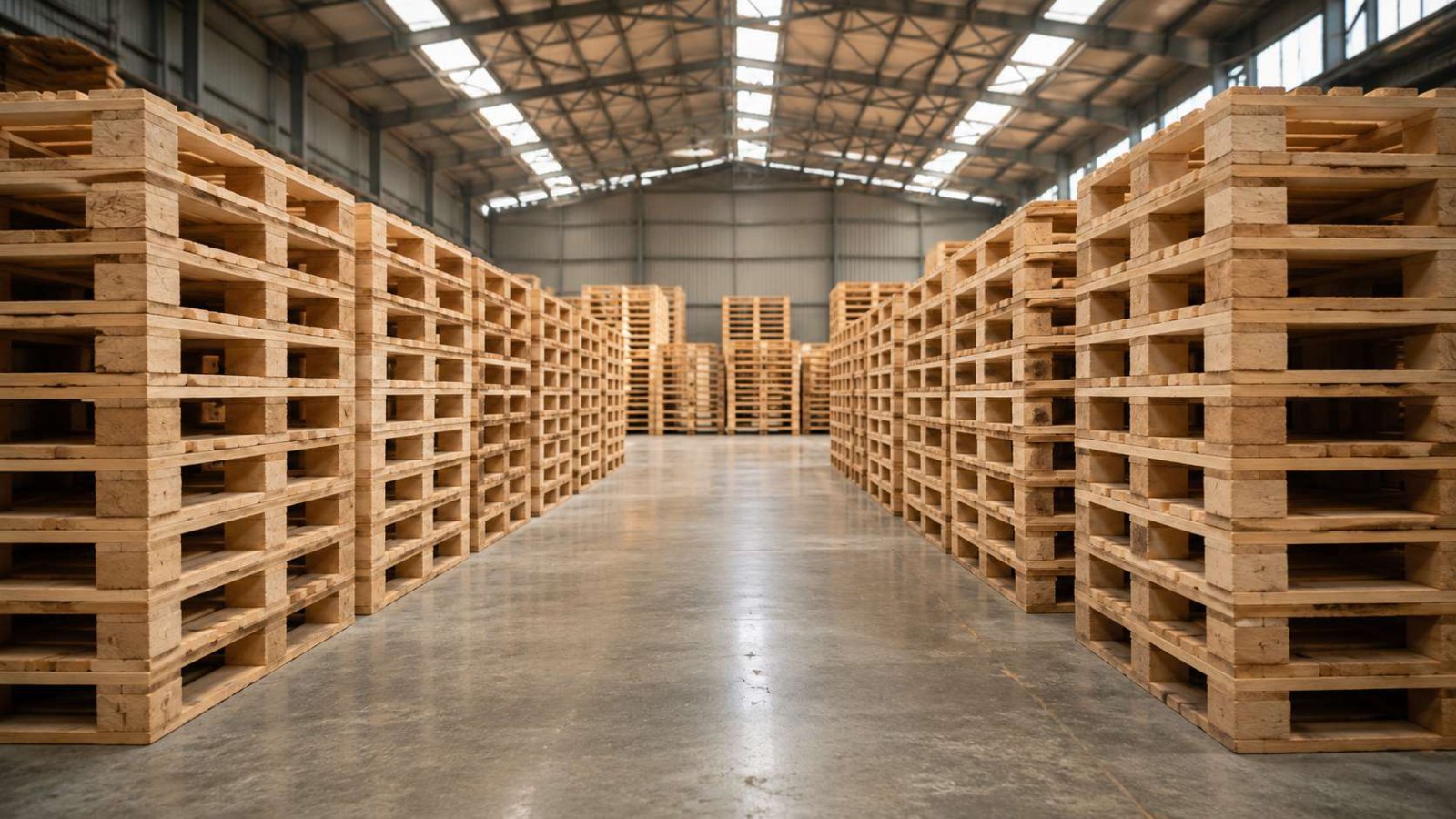
Stack with consistent orientation
All pallets in a stack should sit the same way — top deck up, in line with each other. Cross-stacking puts uneven pressure on individual deck boards and bends them out of shape. A pallet whose deck has bowed slightly will never sit flat again on a forklift.
Keep stack heights reasonable
The bottom of a tall stack carries the weight of everything above it. Hardwood pallets can take more stacking than softwood ones. As a rule of thumb, don't stack higher than the equivalent loaded height — a 1.5 metre stack of empty pallets isn't going to fail, but a 3 metre stack will eventually show damage at the bottom.
Handling
Use the forklift correctly
Most pallet damage comes from forklift abuse, not from loading. Drive in fully so the tines clear the back of the pallet. Don't catch the deck boards with the tips of the tines (that's how nails get pulled). Lift slowly enough to seat the pallet on the tines before moving.
Watch for nail heads
If a deck nail starts to back out, hammer it in or pull and replace it. A nail head sticking up will catch the next carton it touches and tear the bottom open — and the customer will see the pallet, not just the carton.
Pay attention to weight distribution
A 1000kg load concentrated in the middle of a pallet stresses the deck very differently from the same load spread across the full deck. The first one will eventually crack a deck board. Distribute weight evenly when possible, and use stronger pallets for point-loaded items.
Repair vs Replace
Some damage is repairable, some isn't. Quick guide:
- Single broken deck board: repairable. Pull the broken board, nail in a new one. Cheap and fast
- Loose block or runner: repairable. Re-nail it. If multiple blocks are loose, it's probably worth replacing the pallet
- Cracked stringer: usually not repairable. The structural member is compromised. Retire the pallet
- Visible rot anywhere: not repairable. Retire the pallet and inspect the rest of the batch for moisture damage
- More than two damaged boards: economic question. Sometimes cheaper to retire than to fix
Track Your Pool
For operations running their own pallet pool, the discipline that pays back most is knowing how many pallets are in service, how old they are, and roughly how many are in good shape vs nearing end of life. Even a basic spreadsheet — pallet count, last reorder date, rough condition — tells you when to reorder and stops you from being caught short.
The one habit that helps most: walk your stacking area once a month and pull anything obviously broken. Damaged pallets at the bottom of a stack are out of sight, out of mind, and out of service when you go to use them.