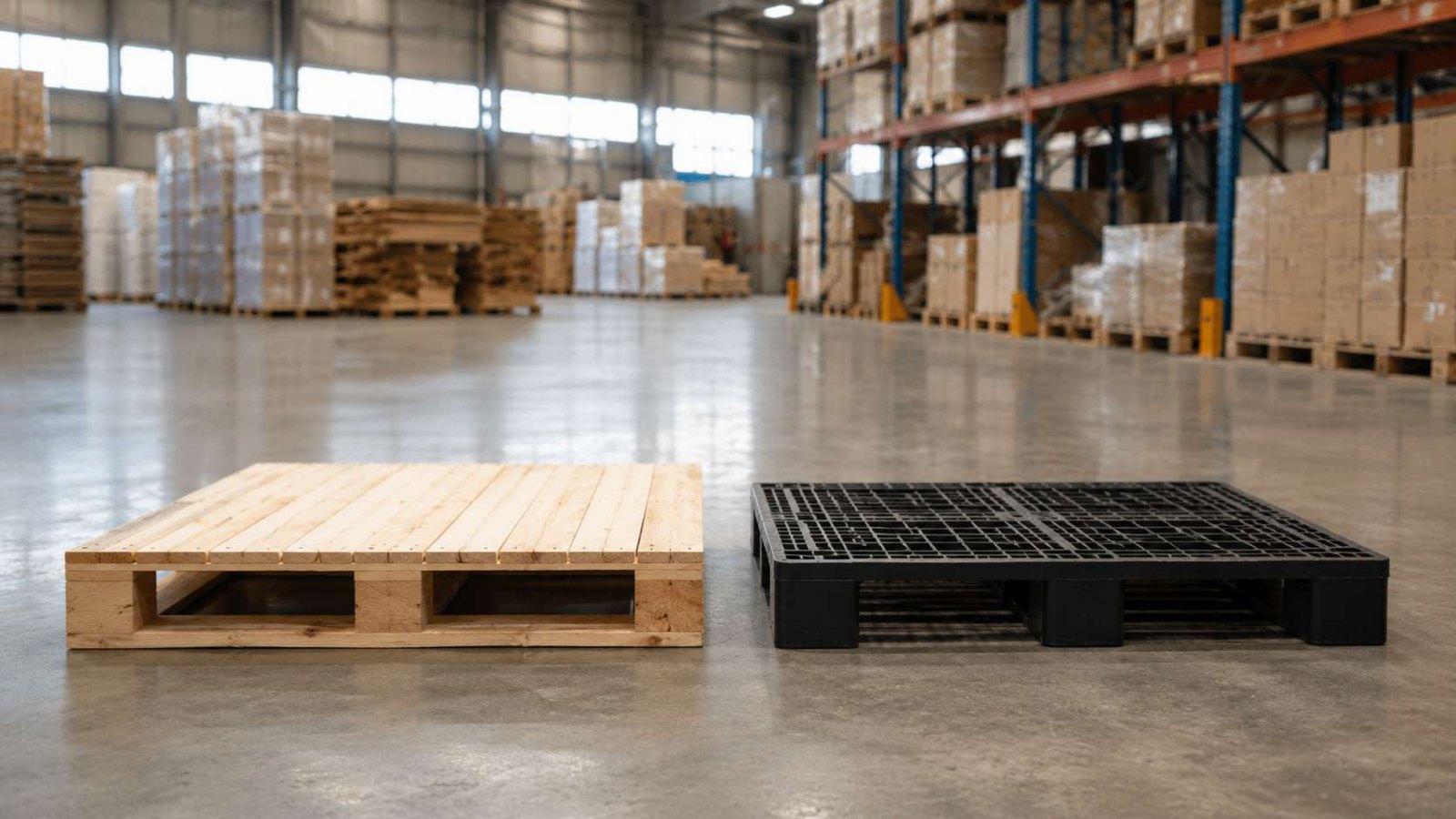
Wooden and plastic pallets do the same job — they get a load off the floor and onto a forklift. But the trade-offs are real, and the right choice depends much less on personal preference than on the environment the pallet operates in.
Wooden and plastic pallets do the same job — they get a load off the floor and onto a forklift. But the trade-offs are real, and the right choice depends much less on personal preference than on the environment the pallet operates in.
The Core Differences
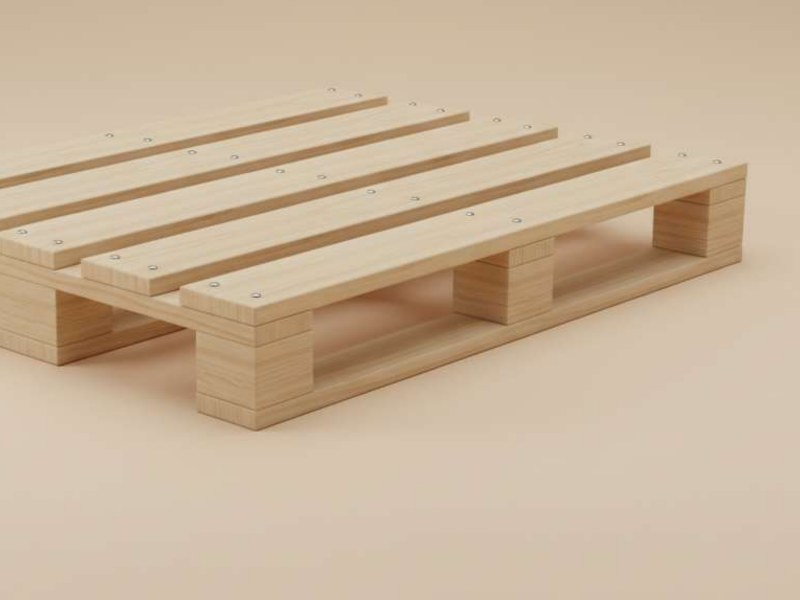
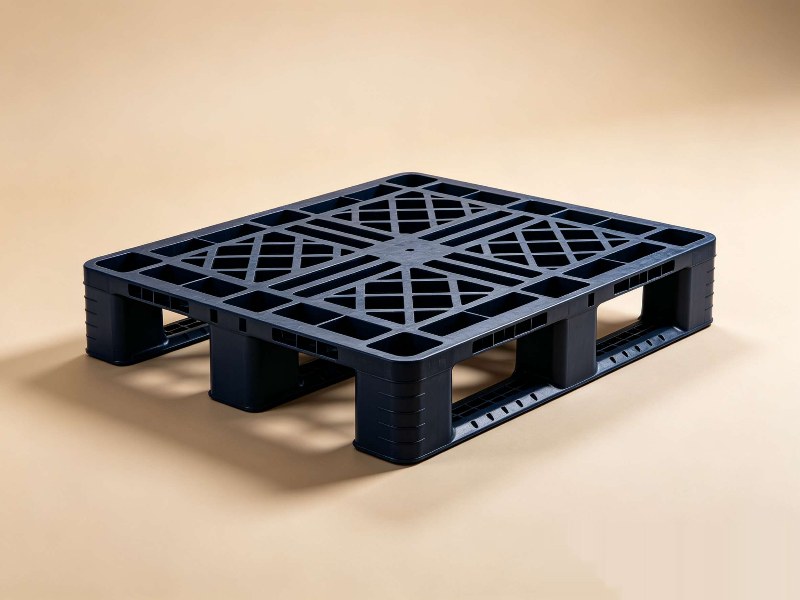
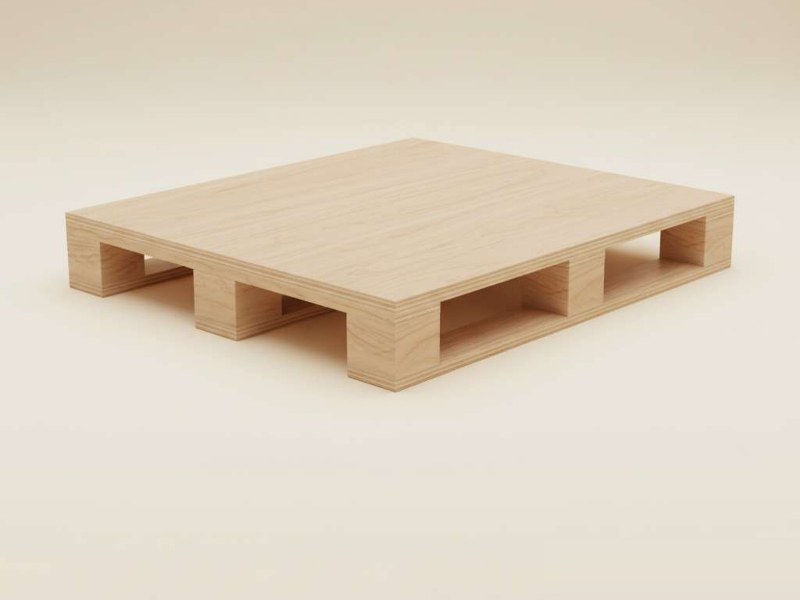
Wood is organic, breathable, repairable, and made to order in any size. Plastic is synthetic, sealed, washable, and comes in molded standard sizes only. Everything else in the comparison flows from those two facts.
Wooden Pallets — Where They Win
- Lower upfront cost. A new wooden pallet typically costs a fraction of an equivalent plastic one
- Higher load capacity per ringgit. Heavy industrial loads sit better on solid wood
- Custom sizes available. Plastic pallets are limited to the moulds the manufacturer runs; wood can be cut to any dimension
- Locally repairable. A damaged slat is a new piece of wood and four nails. A damaged plastic pallet often gets thrown out
- Recyclable as biomass at end of life — wooden pallets are essentially carbon stored briefly in pallet form
Plastic Pallets — Where They Win
- Hygiene. Smooth molded surface that can be washed, sanitised and dried. Mandatory or strongly preferred in food, pharma, cosmetics, and any GMP environment
- No moisture absorption. Doesn't warp, swell, or develop mould in humid conditions or wet processes
- Pest-free. Doesn't harbour insects, doesn't need ISPM-15 heat treatment for international shipping
- Consistent dimensions. Every pallet identical, useful for automated handling and closed-loop pools
- Longer service life in repeat-use applications — well-maintained plastic pallets can last many years in a closed-loop pool
Common Use Cases
Food, beverage, pharma → plastic
Hygiene requirements typically mandate plastic. Wooden pallets don't survive washdown and can contaminate the production environment.
One-way export shipments → wooden
If the pallet leaves your warehouse and never comes back, the lower upfront cost of wood almost always wins. You're not paying for the long service life of plastic when you're never going to use the pallet again.
Closed-loop reusable pools → plastic
If you control both ends — internal logistics, beverage distribution with returnable pallets, manufacturing-to-warehouse loops — the higher initial cost of plastic pays back over multiple trips.
Heavy industrial loads (machinery, steel products) → wooden
Solid wood handles concentrated heavy loads better. Plastic pallets, even reinforced ones, can flex or crack under heavy uneven loading.
Pharma cold storage / damp environments → plastic
Wood absorbs moisture from the environment, swells, and eventually rots. Plastic does none of those things.
The Cost Question
A common mistake is comparing the unit price of one wooden pallet to one plastic pallet and concluding wood is cheaper. That comparison only holds for single-use. Over a closed-loop pool's lifetime, the per-trip cost of plastic can be lower than wood. Over a one-way export, the per-trip cost of wood is much lower than plastic. The question isn't "which is cheaper?" — it's "cheaper over how many trips?"
Quick rule: if the pallet's coming back to you, plastic is usually worth the maths. If it's not coming back, wood almost always wins.