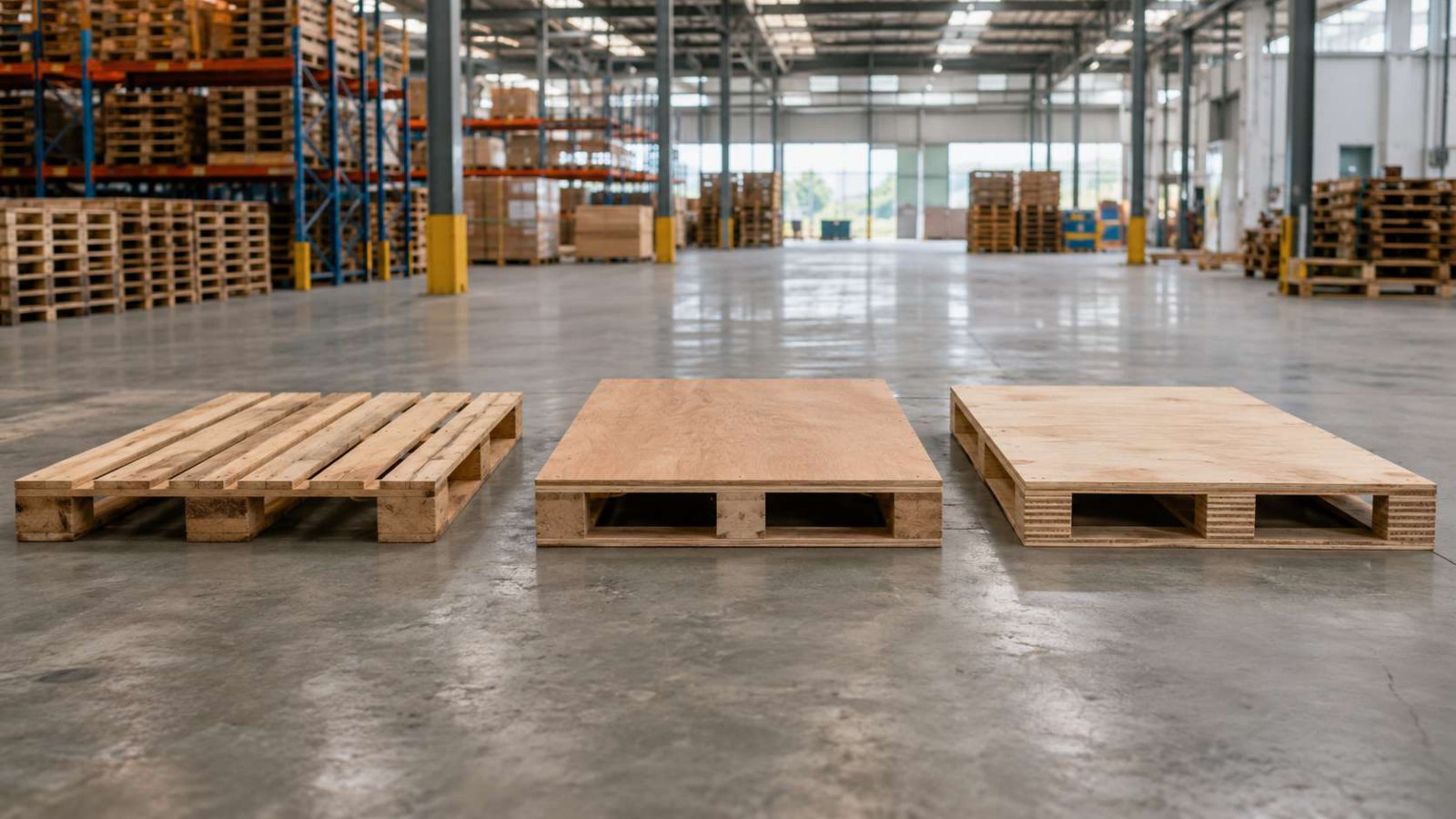
Solid wood, plywood, and LVL (Laminated Veneer Lumber) are the three main families of wooden pallet construction. They look similar at a glance — wood is wood — but they behave differently under load, in storage, and over time. Picking the right one is mostly a question of matching the pallet's strengths to what you're actually doing with it.
Solid wood, plywood, and LVL (Laminated Veneer Lumber) are the three main families of wooden pallet construction. They look similar at a glance — wood is wood — but they behave differently under load, in storage, and over time. Picking the right one is mostly a question of matching the pallet's strengths to what you're actually doing with it.
Solid Wood Pallets
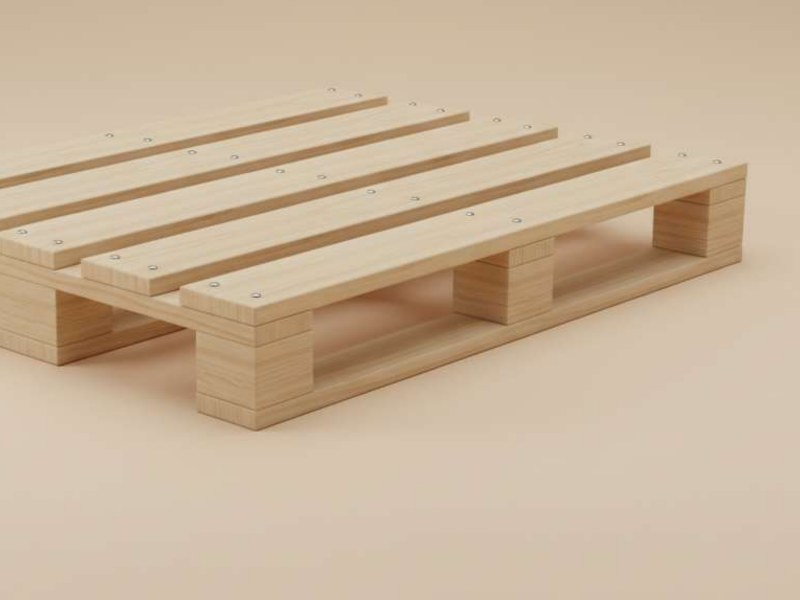
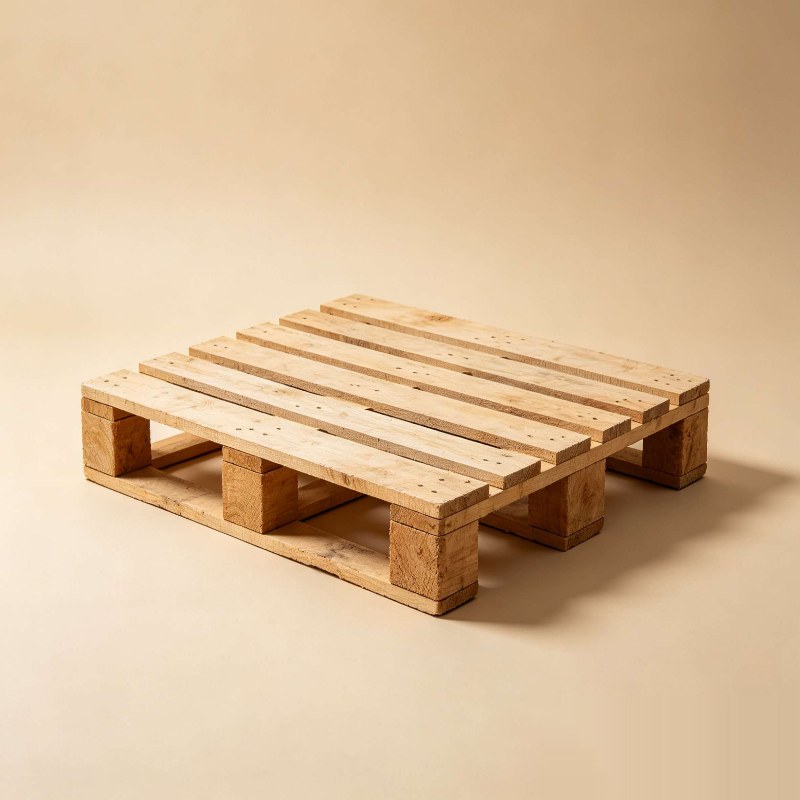
The traditional choice. Deck boards milled from solid timber, nailed onto a base of solid blocks or runners. What most people picture when they think "wooden pallet."
Strengths
- Lowest unit cost for standard sizes
- Easy to repair locally — replace a broken board with a new one
- Strong in compression — good under static loads in racking
- Recyclable and replaceable from local timber supply
Watch-outs
- Heavier than engineered alternatives — adds to freight cost on long-haul exports
- Inconsistent appearance and slight variation in dimensions between pallets
- Can splinter at the deck edges over time, especially with hardwood
Use them when
You need a workhorse pallet for everyday loading, stacking and domestic shipping; you're cost-sensitive on a high-volume operation; or your loads are heavy and the pallet doesn't need to look pretty.
Plywood Pallets
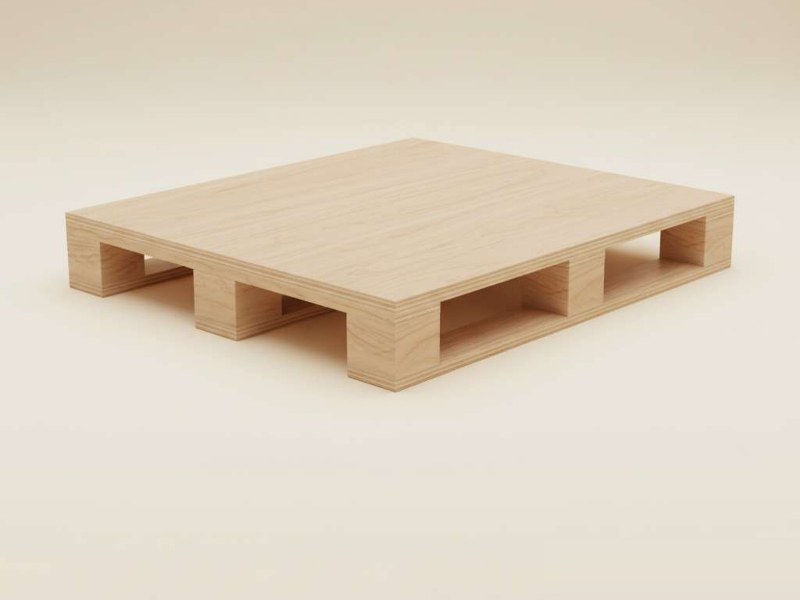
Single-piece plywood deck on top of a wooden block or runner base. The plywood top gives you a smooth, gap-free surface instead of slats.
Strengths
- Smooth top deck — no gaps, no splintering, no risk of cartons collapsing into a slat gap
- Lighter than solid-wood pallets of equivalent strength (good for export freight cost)
- More dimensionally consistent batch-to-batch
- Cleaner appearance — suits export shipments where the pallet is visible to the customer
Watch-outs
- Slightly higher unit cost than basic solid-wood
- Damaged plywood deck is harder to repair than a single broken slat — usually means replacing the whole top
Use them when
You're shipping smaller cartons that could fall through slats; you need a clean appearance for export markets; you want to reduce freight weight without going to plastic.
LVL Pallets
Laminated Veneer Lumber. Thin wood veneers bonded under heat and pressure into engineered planks. Used for both the deck and the runners in higher-spec pallets.
Strengths
- Highest strength-to-weight ratio of the three
- Most dimensionally stable — much less warping or twisting over repeat use
- Excellent for racking systems and automated handling equipment
- Holds up under heavy or unevenly distributed loads better than solid wood
Watch-outs
- Highest unit cost of the three
- Damage harder to repair — engineered material doesn't bolt back together like solid timber
Use them when
You're running automated warehouse systems that need precise pallet dimensions; you're moving heavy or sensitive loads where a pallet failure is costly; or you're running a closed-loop reusable pool where the higher up-front cost is amortised over many trips.
A Simple Decision Framework
Heavy loads, cost-sensitive, domestic use: solid wood.
Export-bound, small cartons or visible-to-customer: plywood.
Automated warehousing, heavy or sensitive loads, reusable pool: LVL.
If you're not sure which fits your operation, send us your load type and shipping pattern on WhatsApp — we'll suggest the right material based on what works for similar operations.